Holiday Renewal

We're told the winter holidays are a magical time of deep connection, good meals, warm fires, and gift-giving. And yet, for many of us, the season falls short of these grand expectations. Why? Because we struggle to strike the right balance between rest and productivity.
Finding this balance can be tough—especially when family, friends, and even bosses have strong opinions on how you should spend your time. But it is not too late to take control and get what you need this holiday season.
The final weeks of the year offer a unique opportunity to rest, reflect on the past, and prepare for the year ahead. To recapture this time and make your holidays both restful and productive, you must first understand your default tendencies.
Among working professionals, we have identified three common types of "holiday time misusers."
What Is your default holiday mode?
1. The Couch Potato
The moment the last work email is sent, the Couch Potato flips the "off" switch and sinks into complete disengagement. Their only goal is an involuntary compulsion: to see how many TV seasons they can binge-watch. While they anticipate feeling refreshed by this extreme inactivity, they often end the holiday feeling frustrated and unprepared, asking, "What did I do that whole time?"
Why it's unsatisfying: While a little disengagement is necessary, pure "vegging out" neglects other crucial needs you've ignored for months: meaningful social interaction (sorry, watching Netflix doesn't count), physical activity, and active contemplation.
2. The Holiday Humbug
The Holiday Humbug keeps working straight through the break. Even when technically off the clock, they cram work around meals and personal commitments. The problem is obvious: research shows we need regular lulls and breaks, and ignoring this need is a direct path to burnout.
Why it's so tempting: For the chronically overwhelmed, the holidays present an irresistible opportunity: the chance to catch up. Days free from back-to-back meetings and a steady stream of emails are non-existent during the year. Bain & Company partner Eric Garton’s research shows most managers only have about seven hours of focused work time per week, often in small chunks. The allure of uninterrupted days to clear the backlog is powerfully appealing. However, using your holidays to work might reduce short-term stress, but it means you miss the opportunity to reduce your long-term stress by fully recharging.
3. The Workaholidayic
The Workaholidayic applies their workaholic tendencies to a different context. They rush from one holiday party to the next, travel miles to see every relative, and pack their schedule until they have no time to stop, rest, or be alone.
Why they do it: This may stem from a lack of self-protective boundaries ("I feel too guilty to tell Aunt Sandra we can't visit") or simply letting ingrained work habits continue to drive them. Whatever the underlying reason, these individuals get swept along in a tide of parties, gift swaps, and events, finding themselves in the New Year feeling frazzled and even more burnt out.

Intentionally choose a more balanced way.
Once you’ve recognized your tendencies, the challenge is to strategically chart a healthier course. Use these tips to build a holiday that truly recharges you:
Set sustainability goals for your holiday: Channel your high-performing, goal-oriented drive toward your well-being. Set concrete goals around how much you want to sleep, how much you want to exercise, and how much "work work" you'll allow yourself to do. Treat rest like an essential project.
Prioritize processing time: If you're busy, you likely haven't taken time to process the past year. Not processing your experiences is like leaving your mental inbox overflowing—it taxes your cognitive load. Whether you journal quietly or have deep conversations with loved ones, clear your mental inbox to calmly prepare for new experiences.
Use these reflective questions for your end-of-year processing, and then share your answers with people who were part of these experiences:

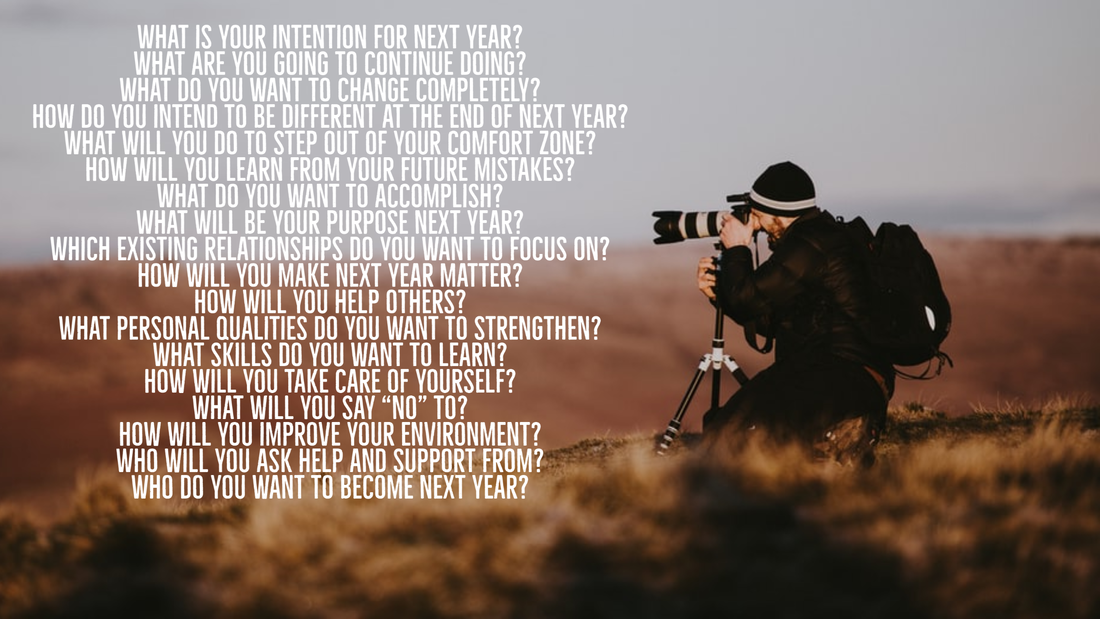
Additional reflective questions for forging the year ahead:
Check out this episode of How to Build a Happy Life for insights on making the most of your free time:
Plan how to achieve your next year’s goals: Many set New Year’s resolutions that go unfulfilled, creating angst. Increase your chances of success (and give yourself peace) by spending sufficient time planning upfront. You're less likely to set unrealistic goals if you also commit to an execution plan. Instead of "I will lose 20 pounds," try, "I will work out three times a week for 20 minutes before going to work."
Create and uphold holiday traditions: Traditions are a form of habit, and habit development is key to meeting goals without driving yourself crazy. Develop meaningful, productive, and restful traditions around the holidays. These established routines also help shield you against the demands of others who have their own ideas—people are generally less quick to push back against an established family tradition.
For many working professionals, the holidays hold the great promise of a time to truly rest and rejuvenate. Grab that chance before the new year is here!