Stay Ready

The start of a new Fall Semester brings a distinct energy. Fresh notebooks, clean slates, and the crisp promise of new beginnings fill the air. Whether you are a student navigating busier schedules, a young adult stepping into greater independence, or a family supporting a student through these transitions, the urge to kick off the school year with fervor is strong.
However, enthusiasm alone rarely sustains momentum through November.
When high expectations meet mid-semester fatigue, grand resolutions often crumble. True, lasting success isn't built on a single weekend of motivation—it’s built on operational readiness. Inspired by Jon Peacock’s Stay Ready principles and his 50-day system for personal and leadership growth, here is how students and families can trade temporary excitement for sustainable excellence this school year.
Shift from "Getting Ready" to "Staying Ready."
Most people live in a reactive loop: they wait for the exam date, the deadline, or the crisis to force preparation. Staying ready flips this dynamic. It treats growth not as an event, but as a continual state of being.
When you build daily systems that keep your mind, body, and schedule in peak form, you don't have to scramble when opportunities or challenges arise. You don't "get ready" for finals; you stay ready throughout the semester by protecting your daily baseline.
Leverage the Power of the 50-Day Window.
Fifty days is a psychological sweet spot. It is long enough to solidify real behavioral changes and short enough to keep the finish line within sight.
Rather than setting vague, year-long goals like "do better in math" or "be more organized," anchor your Fall Semester around a 50-day focus window:
Define 5 Core Daily Habits: Identify five non-negotiable micro-habits that keep you anchored. Examples include 15 minutes of previewing tomorrow’s class material, 7+ hours of sleep, daily physical movement, 10 minutes of journaling/reflection, and putting phones away 30 minutes before bed.
Track Daily Execution: Use a dedicated journal or tracker to log consistency. Small, visible streaks create natural dopamine hits that fuel momentum far longer than sheer willpower.

Focus on Energy Investment, Not Just Time Management.
One of the central shifts in Jon Peacock’s growth methodology is moving from managing time to investing energy. We all have 24 hours in a day, but our cognitive and emotional capacity fluctuates dramatically.
For Students:
Identify High-Energy Hours: Notice when your brain is sharpest (e.g., morning vs. early evening). Block those periods for heavy cognitive tasks—like writing papers or tackling complex STEM problems—rather than passive tasks like organizing files.
Plug Energy Leaks: Recognize what drains you. Mindless social media scrolling, disorganized study spaces, and lingering procrastination drain mental capacity before you ever open a textbook.
For Families:
Protect the Home Environment: Help manage the emotional temperature of the household during high-stress weeks. Ensure meal times and rest routines support energy renewal rather than compounding chaos.
Trade the Myth of "Balance" for Sustainable "Rhythm."
Chasing absolute balance—trying to give equal time and focus to school, sports, social life, family, and rest every single day—often leads to guilt and burnout. Life isn't static; different weeks demand different investments.
Instead, aim for Rhythm:
Divert Daily: Take 15–30 minutes every day to unplug completely from academic pressures.
Withdraw Weekly: Dedicate a block of time each weekend (e.g., Sunday morning or Saturday evening) to reset, plan the upcoming week, and rest deeply.
Abandon Periodically: Use school breaks (like Fall Break or Thanksgiving) to step away entirely and recharge your batteries.
Build a High Care / High Challenge Culture at Home.
For families, supporting a student’s growth requires balancing two vital forces: High Care and High Challenge.
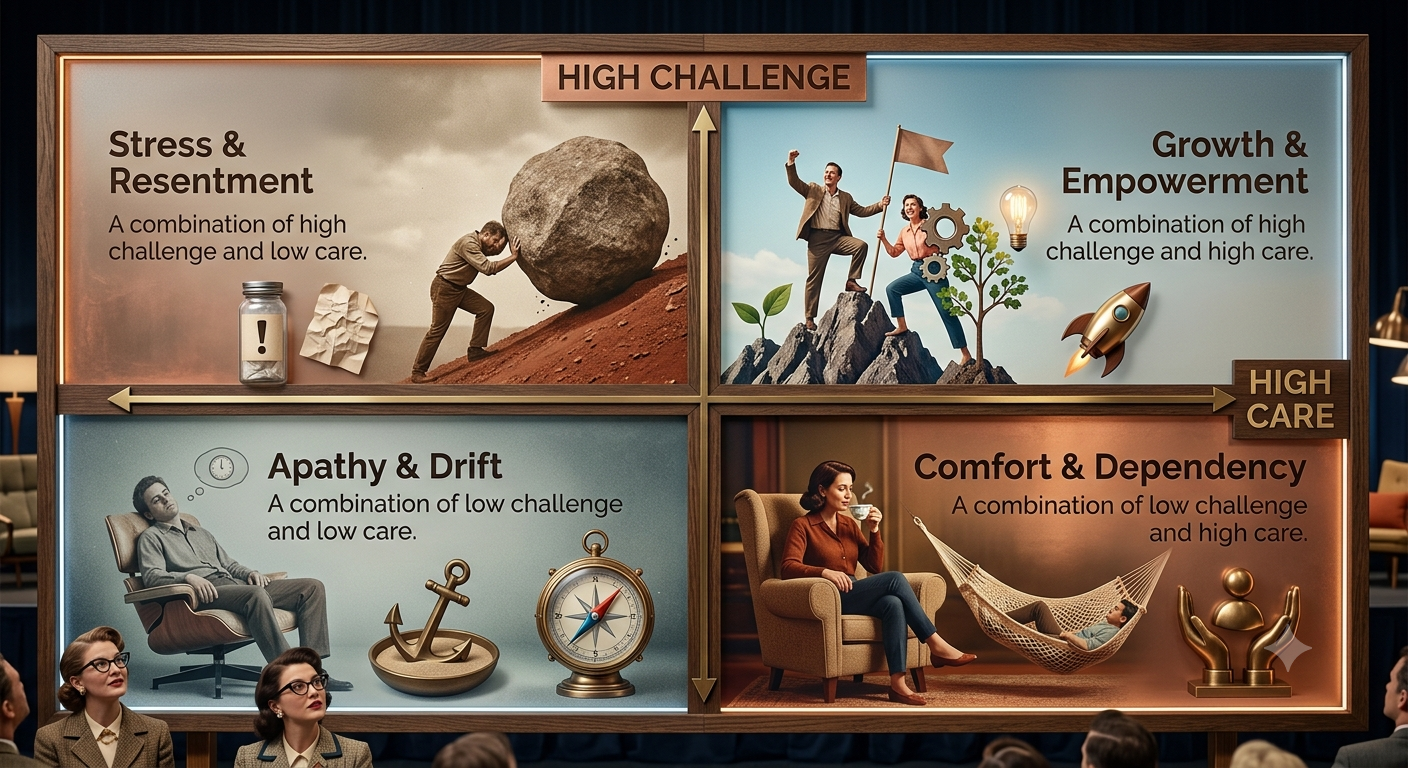
High Challenge without High Care breeds anxiety, friction, and fear of failure.
High Care without High Challenge develops enablement, dependency, and low resilience.
High Care + High Challenge creates a safe landing pad alongside an expectation of personal responsibility. Parents can affirm a student's intrinsic worth while simultaneously holding them accountable to the standards and micro-habits they set for themselves.
Action Steps to kick off the Fall Semester:
Conduct a Habit Audit: Write down 3 habits that helped you last school year and 2 habits that held you back.
Choose Your 5 Daily Anchor Habits: Keep them micro-sized so they are manageable even on your busiest days.
Set Up a Visual Tracker: Whether in a guided journal or on a simple wall chart, commit to a 50-day streak starting on Day 1 of classes.
Hold a Family Alignment Conversation: Discuss expectations, support structures, and study boundaries before academic stress peaks.
Watch this reflection with Jon Peacock and explore how shifting your mindset around habits and closing the gap between current routines and future goals can help you stay consistent throughout the school year:
Stepping into a new school year isn't about transforming into a new person overnight; it’s really about establishing daily systems that allow your best self to show up consistently. Remain focused, start small, and stay ready.
- Deepak Santhiraj, School Social Worker